



To spend less money, cut your biggest bills first: housing, transportation and food. Those three take about 63 cents of every dollar the average U.S. household spends, according to the Bureau of Labor Statistics, so a small cut there saves more than giving up every coffee.
This guide goes in that order. The big fixed costs come first, then food, recurring bills and debt interest, and the small daily habits come last. Each step tells you exactly what to do, and where a number is used, it comes from a government source or the company itself.
You do not need to do all of it. Pick the two or three steps that match your largest bills and start there.
How Does Spending Less Money Work?
Spending less works when the money going out is smaller than the money coming in, and the difference goes somewhere useful, like savings or debt. That is the whole idea. The hard part is knowing which costs are worth your effort.
The Bureau of Labor Statistics tracks this in its Consumer Expenditure Survey. In the latest release, the average household spent $78,535 in a year. Housing took $26,266 of that (33.4%), transportation took $13,318 (17.0%) and food took $10,169, with $3,945 of the food money spent away from home.
So if you cut 10% from housing, your car and food, you free up roughly $5,000 a year at those averages. Cutting 10% from entertainment, which averages $3,609, frees up about $360. Start where the money is.
Start Here This Week
If you only have an hour, do these five things in order. Each one is explained in more detail below.
- Pull your last 30 days of bank and card statements. Add up housing, car, food, insurance, subscriptions and debt payments so you can see your own numbers.
- Cancel one subscription you forgot about. Read every line of your statement to find it.
- Get two new quotes for car insurance. It costs nothing to compare.
- Plan five dinners before you shop. Buy only what is on the list.
- Set up one automatic transfer. Move whatever you just freed up into savings or toward your highest interest debt on payday, before you can spend it.
Cut the Big Fixed Costs First
These are the largest lines in most budgets. They take the most effort to change, but you only have to change them once and the savings repeat every month.
1. Lower your housing cost.
Housing is a third of the average budget, so it is the first place to look. If you rent, ask for a lower rate at renewal about 60 days before your lease ends, and offer something in return, like a longer lease. Bring two or three listings for similar units nearby that cost less.
If that does not work, the bigger moves are taking a roommate or moving to a smaller place. A spare bedroom you rarely use is rent you pay every month for storage.
If you own, check whether your property tax assessment is higher than what similar homes nearby sold for. Your county assessor’s website explains how to appeal and what, if anything, it costs.
2. Drop private mortgage insurance when you qualify.
If you put down less than 20% on a conventional loan, you are probably paying private mortgage insurance (PMI) every month. You do not have to pay it forever.
The Consumer Financial Protection Bureau says you have the right to ask your servicer to cancel PMI on the date your principal balance is scheduled to fall to 80% of your home’s original value. Your servicer must end it automatically when the balance is scheduled to reach 78%, as long as your payments are current.
Look at your mortgage statement for the PMI line, then call your servicer and ask for your cancellation date and what they need from you in writing.
3. Cut your heating and cooling bill.
The Department of Energy says you can save as much as 10% a year on heating and cooling by turning your thermostat back 7 to 10 degrees for 8 hours a day. The easy way to do that is to set it back while you are asleep or at work.
A programmable thermostat does this for you. If you do not have one, change it by hand when you leave and when you go to bed. Also call your utility and ask if it offers a home energy check.
4. Trim your car costs.
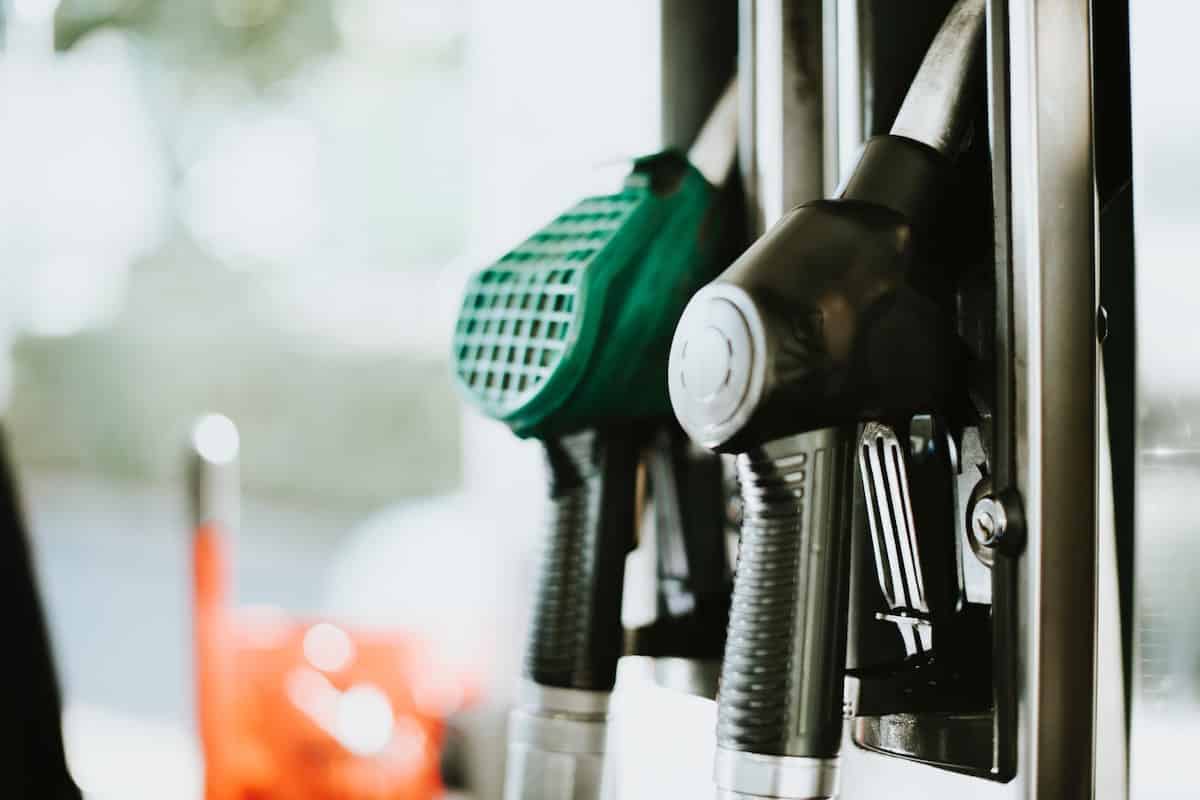
Transportation is the second biggest cost for the average household at $13,318 a year, per the Bureau of Labor Statistics. The biggest saving is owning fewer cars. If your household has two and one sits most days, selling it removes a payment, an insurance bill, registration and repairs all at once.
If you need every car you have, change how you drive. Fueleconomy.gov, the official government source for fuel economy, says aggressive driving can lower your gas mileage by roughly 15% to 30% at highway speeds and 10% to 40% in stop-and-go traffic. It also says each 5 mph you drive over 50 mph is like paying an additional $0.31 per gallon.
Keep your tires at the pressure listed on the driver’s door sticker. Fueleconomy.gov says that improves gas mileage by 0.6% on average and up to 3% in some cases. Take the roof box off when you are not using it, and use one of the cash back apps for gas when you fill up.
5. Shop your insurance every year.
Insurers change their prices all the time, and they rarely lower yours for staying. Once a year, get quotes from at least three companies for the same coverage limits and deductibles you have now, so you are comparing the same thing.
Then ask your current insurer three questions. Is there a discount for bundling home or renters with auto? Is there one for low mileage or paying in full? What would the premium be with a higher deductible? Only raise a deductible if you have that amount in savings to cover a claim.
Lower Your Food Bill
Food is the third biggest cost, and it is the one you can change this week without calling anyone.
6. Plan your meals and waste less food.
The Food and Drug Administration estimates that between 30% and 40% of the U.S. food supply is wasted. In your kitchen, that is food you paid for and threw away.
Before you shop, check what is already in the fridge and pantry. Plan five dinners around it, write a list, and buy only the list. Cook the food that spoils fastest first and freeze leftovers the same night. Store brands and frozen vegetables cut the bill further without changing what you eat.
You can also get a little back on groceries you were going to buy anyway. Fetch turns your receipts into points you can redeem for gift cards. And if money is very tight, here is how to get cheaper or free food.
7. Eat out less.
The average household spends $3,945 a year on food away from home, according to the Bureau of Labor Statistics. That is restaurants, takeout, delivery and work lunches combined.
You do not have to stop. Pick a number of meals out per week that is lower than what you do now and stick to it. Pack lunch three days a week, pick up your order instead of paying delivery fees, and keep one fast backup meal in the freezer for the nights you are too tired to cook.
Shrink Recurring Bills and Subscriptions
Recurring charges are easy to forget because you never have to decide to pay them again. Go through them once and the savings keep coming.
8. Cancel subscriptions you do not use.
Read every line of your last bank and card statements and mark anything that repeats. For each one, ask if you used it in the last 30 days. If not, cancel it today. You can always sign up again.
If a company keeps charging you, the Consumer Financial Protection Bureau says to call the company and tell them you are taking away permission for automatic payments, then call your bank or credit union and tell them you revoked that authorization. Follow up with both in writing.
If you would rather have an app find them for you, Rocket Money lists your recurring charges in one place and tracks your spending. The company says the app is free to download and use, with optional paid services. Premium is priced on a sliding scale that you choose, and it starts with a 7-day free trial.
Rocket Money will also try to negotiate bills like internet and phone for you. Know the cost first. If it succeeds, you pay a one-time fee of 35% to 60% of your first year’s savings, according to Rocket Money’s help center. If you are comfortable making the call yourself, you keep all of it.

- Lower your internet, phone, and cable bills automatically
- Trusted by 10 million+ members to cut monthly expenses
- Contacts providers to find discounts and hidden savings
- Saves users an average of $300 per year
9. Cut cable, then trim your internet and phone plans.

If you pay for a cable package and mostly watch a few channels, compare it with these cable alternatives. Keep one or two streaming services at a time and rotate them, instead of paying for five all year.
For internet and phone, call your provider and ask what the current price is for new customers on your plan. Ask them to match it. If they will not, ask what plan fits how much data you really use, which is shown on your bill. Prepaid carriers that run on the same networks often cost less for the same coverage.
10. Ask for generic prescriptions.
The Food and Drug Administration says generic medicines work in the same way and provide the same clinical benefit as their brand-name versions, and they tend to cost less. Ask your doctor or pharmacist if a generic exists for anything you take regularly, and ask the pharmacy for its cash price as well as your insurance price.
Stop Paying Interest
Interest is money you spend and get nothing for. Cutting it is one of the few ways to spend less without giving anything up.
11. Pay down credit card balances and stop adding to them.
The Federal Reserve’s latest consumer credit report puts the average rate on credit card accounts that were charged interest at 22.15%. At that rate, a $3,000 balance costs you about $55 a month in interest alone.
Pay more than the minimum on the card with the highest rate and the minimum on the rest. If you keep adding to the balance, leave the card at home and use a debit card or cash until it is paid off. Then call the issuer and ask for a lower rate. It is a short call and the worst answer is no. Here is a full plan for paying off credit card debt.
12. Turn on autopay for your student loans.
Federal student loan servicers lower your interest rate when you enroll in automatic payments. MOHELA, one of the federal servicers, says on its studentaid.gov page that the reduction went from 0.25% to 1% as a temporary benefit, with an enrollment deadline.
Log in to your own servicer, turn on auto pay, and confirm the reduction and the deadline that apply to your loans. You also stop paying late fees by accident.
Change the Habits That Leak Money
These save less per step than the sections above, but they are what keep your spending down after the big cuts are made.
13. Track your spending for 30 days.
You cannot cut what you cannot see. For one month, write down every purchase or check your banking app every evening. Sort what you spent into housing, car, food, insurance, subscriptions, debt and everything else.
At the end of the month, find the category that surprised you most. That is your first target. If you want more structure, this guide on how to control your spending walks through setting limits for each category.
14. Wait before you buy.

Most impulse buys do not survive a waiting period. For anything you did not plan to buy, wait 24 hours. For anything over $100, wait a week. If you still want it and can pay for it without a credit card balance, buy it.
Make the urge show up less often too. Unsubscribe from store emails, turn off shopping app notifications, and delete saved cards from the sites where you spend the most. Having to type the card number is often enough to stop a late night order.
When you do buy something online that you had planned to buy, go through Rakuten first to get cash back at stores that take part. It only saves you money on things you were already going to buy. If a cash back offer is the reason you are buying, skip it.
15. Borrow or buy used first.
Before a big purchase, ask friends or family if they have one sitting unused. Check your library too, since many lend tools, games and equipment along with books. Then look at local resale listings and thrift stores before you pay full price.
It also helps to look through what you already own. People often buy a second one of something because they forgot they had the first.
16. Try a no-spend week.
For seven days, spend only on bills, gas and groceries you truly need. Nothing else. Use up what is in the pantry, the freezer and the bathroom cabinet.
A no-spend week shows you how much of your spending is habit. Do it with a friend or partner so you have someone to check in with, and repeat it once every few months.
17. Quit smoking and drink less.
Take what you spend on cigarettes, vapes or alcohol in a normal week and multiply it by 52. Seeing your own yearly number makes the cost clear. Quitting is hard, so talk to your doctor about what can help. If you drink, having drinks at home before or instead of at a bar costs a lot less for the same night.
What to Do With the Money You Save
Money you free up will get spent on something else unless you give it a job. Move it the same day you get paid.
First, build a cash cushion for emergencies. Check what your savings account pays. The FDIC reports the national average savings rate is 0.37% as of this update, and many online banks pay well above that, so compare rates before you leave cash sitting.
Second, send extra money to any debt with a high interest rate. Every dollar you pay toward a card that charges around 22% stops costing you that interest.
Third, once you have savings and no high interest debt, you can start investing for the long term. One option that does not take much to start is Fundrise, which lets you invest in real estate starting at $10. Real estate investments can lose value and you may not be able to sell quickly, so only use money you will not need for years.

- Earn passive income with real estate investing starting at just $10
- Easy-to-use app for seamless access to crowd-funded real estate deals
- Perfect for those who want their money to work for them
If You Have Cut All You Can, Add a Little Income
Cutting has a floor. Once your bills are as low as they can go, the only other lever is bringing in more. A raise, extra hours or selling things you no longer use will do the most.
Reward apps are the small version of that. They will not replace a paycheck, but they can cover a bill here and there in your spare time. Freecash pays you for playing games and taking surveys. Swagbucks, InboxDollars and Branded Surveys pay for surveys and other short online tasks.
- Earn real money by completing surveys, testing apps, and trying game offers
- Cash out within minutes via PayPal, gift cards, crypto, and more
- First withdrawal needs $5 to $20, depending on your region, plus an ID check
Frequently Asked Questions
Cancel subscriptions you do not use and get new quotes on your car insurance. Both are quick and the savings repeat every month. An app like Rocket Money can list your recurring charges for you, or you can read through your last statement line by line.
Housing, transportation and food. In the latest Consumer Expenditure Survey from the Bureau of Labor Statistics, housing was 33.4% of average household spending, transportation was 17.0% and food was about 13%. That is why cutting those three saves more than cutting small purchases.
Plan your dinners before you shop, buy only what is on your list, and cook what spoils first. The FDA estimates that 30% to 40% of the U.S. food supply is wasted, so using what you buy is the easiest saving. Then set a limit on meals out each week.
Wait 24 hours before any purchase you did not plan, and a week for anything over $100. Unsubscribe from store emails, turn off shopping notifications and remove your saved cards from shopping sites so buying takes more effort.
Do both, but start with spending less because it works right away and you control it. Cutting has a limit though. Once your bills are as low as they can go, more income is the only way to widen the gap.
Start with an emergency cushion in a savings account that pays a competitive rate. Next, pay down debt with a high interest rate, such as credit cards. After that, you can invest for long term goals.
How to Spend Less, Save More Summary
Start with housing, your car and food, because that is where most of your money goes. Then clean up subscriptions and bills, stop paying interest, and use the small habits to keep your spending down.
You do not need to live on nothing to do this. If you do want to go further, here is how to be extremely frugal. Otherwise, pick one step from the top of this list and do it today.

