
The best small business ideas for women are the ones that fit the life you already have. That comes down to three things: how much time you can give it, how much cash you can put in, and what you are already good at.
Got a few hours a week and almost no money? Start with a service you can sell from your laptop. Have a free weekend, a car and a few hundred dollars? A local service can pay you this month. The list below shows the startup cost and what each idea takes, so you can pick one and get moving.

20 Small Business Ideas for Women
Tap any idea to jump to the details. Startup costs are our estimates for basic gear, software and insurance, and they assume you already own a phone and a laptop. Your number will vary by state and by what you have on hand.
Start from home
Local services
Online Business Ideas You Can Start From Home
These twelve need a laptop, an internet connection and a skill. Most cost under $500 to start. If you want more options in this lane, see our list of work from home jobs for women.
1. Bookkeeping
Every small business has to track what comes in and what goes out, and most owners hate doing it. That is your opening. You categorize transactions, reconcile the bank account each month and hand the owner clean reports at tax time.
You do not need to be a CPA to keep books. You do need to be accurate and learn one accounting program well. The BLS puts median pay for bookkeeping clerks at $50,670 a year as of this update, and it expects those jobs to shrink 6% over the next decade as software takes over data entry.
That is an employee wage, not a promise of what a business owner makes. It does tell you where the work is going. Clients pay for someone who catches mistakes and explains the numbers, so sell that, not typing.
2. Virtual Assistant
A virtual assistant handles the tasks a busy owner keeps putting off. Think inbox, calendar, invoices, customer emails and travel bookings. You work from home and usually bill by the hour or by a monthly package.
This is the quickest idea on the list to launch because you already own the tools. Start with one or two clients you can reach through people you know. Pick a lane early, such as real estate agents or online shop owners, so referrals come easier.
Local businesses know they should post. Most do not have the time. You plan the content, write the captions, schedule the posts and answer comments for a flat monthly fee.
Your first clients will want proof, not a degree. Build three sample weeks of content for a business you like and show that. Keep the client list small at first, because every account needs attention every single week.
4. Freelance Writing and Copywriting
Companies need blog posts, emails, product pages and website copy, and they hire outside writers for it. You can start with a handful of samples in one topic you know well. Our guide on how to become a freelance writer walks through landing the first client.
The BLS reports median pay of $76,910 a year for writers and authors as of this update, and says 65% of them are self-employed. It also expects little or no job growth over the next decade. Translation: there is room, but generalists get squeezed, so specialize.
5. UGC Creator
UGC stands for user-generated content. Brands pay you to film short product videos that they post on their own accounts and run as ads. You are paid for the video, not for your audience, so you do not need followers.
Film a few sample videos with products you already own and put them in a simple portfolio. Then pitch small brands directly. Rates are all over the place, so set a per-video price you would be happy with and get usage rights in writing.
6. Digital Products
Templates, printables, planners, budgeting spreadsheets and lesson plans are all digital products. You make the file once and sell it over and over. There is no inventory and nothing to ship.
The cost is your time. Most products sell slowly until you have a catalog and some reviews. Marketplaces such as Etsy charge a small listing fee plus a cut of each sale, so check the current fee page before you set prices.
7. Online Store
An online store works for handmade goods, a product you source wholesale, or print-on-demand designs that a supplier prints and ships for you. The first two need money for inventory. Print on demand does not, but the profit on each sale is thinner.
For your own storefront, Shopify lists its Basic plan at $29 a month billed yearly, or $39 month to month, as of this update. Test with a small batch before you order in bulk. Unsold inventory is the most common way a new shop loses money.

- Start your store for free, no credit card headaches
- Just $1/month to keep building after your trial
- Earn up to $10,000+ in credits as you sell
- AI tools write your product descriptions and edit your photos for you
- Launch a real business, not just another website
8. Online Tutoring
If you can teach math, reading, test prep, a language or an instrument, you can tutor from your kitchen table. Parents and adult learners both pay for one-on-one help. Sessions run over video, so your market is not limited to your town.
The BLS puts median pay for tutors at $20.84 an hour as of this update. That figure covers employees at tutoring companies. On your own you set the rate, and you also find the students.
9. Web Design
Small businesses still need websites, and most want someone to just handle it. You do not have to code from scratch. Many working designers build on tools such as WordPress, Shopify or Squarespace and charge per project.
Demand is holding up. The BLS expects jobs for web developers and digital designers to grow 5% over the next decade, with median pay of $92,650 for web developers and $104,000 for web and digital interface designers as of this update. Add a monthly care plan for updates and you get recurring income on top of project fees.
10. Resume Writing and Career Coaching
Job seekers pay for a resume that gets past the first screen. If you have worked in HR, recruiting or management, you already know what a hiring manager skims for. You can add LinkedIn rewrites and interview prep as upsells.
Work comes in waves, with more of it when layoffs hit an industry. Build referral ties with career counselors and alumni groups so you are not starting from zero each month.
A blog or email newsletter earns from ads, affiliate links, sponsors or your own products. It costs very little to start. Here is how to start a blog step by step, and how beginners actually make money blogging.
Be honest with yourself about the timeline. Most blogs earn little or nothing for the first several months. Treat it as a long game you build next to another income, not a replacement for a paycheck next month.
12. Travel Advisor
Travel advisors plan and book trips, then earn commission from hotels, cruise lines and tour companies. Most new advisors join a host agency, which gives you booking access and training in exchange for a fee or a share of commission. Compare a few hosts before you sign.
The BLS reports median pay of $50,160 for travel agents as of this update and expects little or no job growth. Commission usually pays after the client travels, so plan for a gap. A niche such as honeymoons, cruises or group trips makes you easier to refer.
Local Service Business Ideas
These eight put you in front of customers in your own area. They tend to pay sooner than online ideas because the client is down the street. Some need a license or insurance, so read the fine print on each.
13. House Cleaning
Cleaning is one of the fastest local businesses to get paying clients. Homes need it every week or two, so one happy customer turns into steady income. You can start solo with supplies you carry in your car.
Price by the job, not the hour, once you know how long a home takes you. Get liability insurance before your first client. If you live in a small town, word of mouth and a local Facebook group can fill your week.
14. Home Organizing
Professional organizers sort closets, kitchens, garages and home offices, then set up systems that stay tidy. Clients are often moving, downsizing or welcoming a baby. You bring the plan and they buy the bins.
Photos sell this business. Organize a few spaces for friends at a discount in exchange for before-and-after pictures and a review. Then offer packages by room so pricing is simple.
15. Pet Sitting and Dog Walking
Pet owners need help during work hours and when they travel. You can offer walks, drop-in visits, boarding in your home or overnight stays. The BLS expects jobs for animal care workers to grow 11% over the next decade, with median pay of $35,530 as of this update.
The easy way to find the first clients is a profile on Rover.com, which connects sitters with pet owners nearby. The platform keeps a share of each booking, so check its current fees. Once you have regulars, many sitters add direct clients and pet-care insurance.
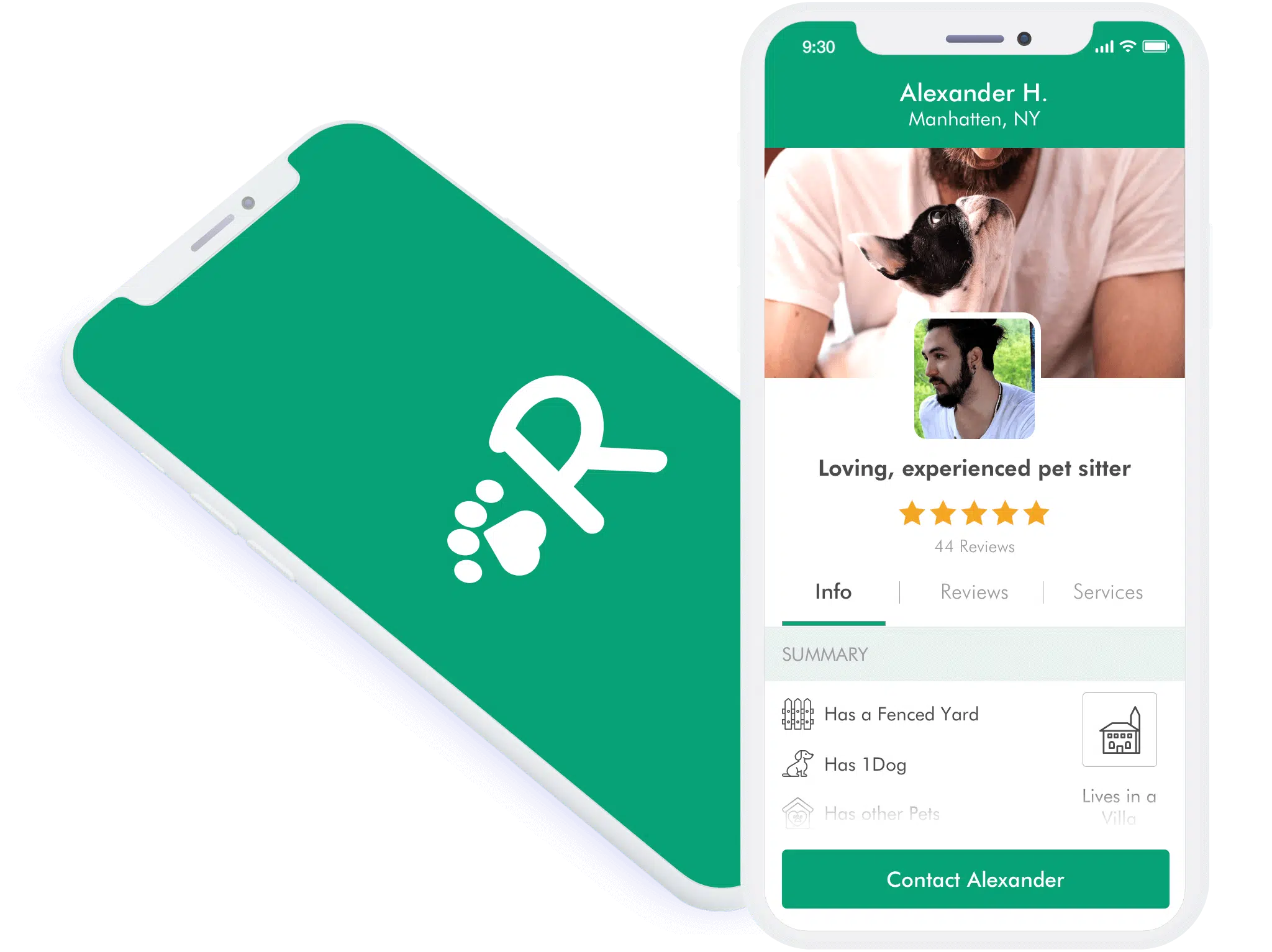
- Get paid to spend time with dogs and cats instead of grinding traditional gig apps
- Set your own schedule and accept only the bookings you want
- Rover handles payments and support so you never chase clients
16. Home Daycare
Parents need reliable childcare, and a small home daycare fills that gap. This one has real rules. The BLS notes that many states require childcare in private homes to be licensed, which typically means a background check, immunization records and minimum training.
Call your state licensing office before you spend a dollar. It will tell you how many children you can care for and what your home needs. Median pay for childcare workers is $34,980 as of this update, so your income depends on how many spots you fill and what your area pays.
17. Personal Training
You can train clients one on one, run small group classes in a park, or coach online. The BLS expects jobs for fitness trainers to grow 7% over the next decade, with median pay of $47,160 as of this update.
Most of the startup cost is a recognized certification and insurance. Skip renting a studio at first. Train clients at their home, outdoors or at a gym that rents floor time to independent trainers.
18. Photography
Families, couples, schools and small businesses all pay for photos. Pick one type, such as family portraits, weddings, pets or product shots, and build a portfolio around it. Most photographers work for themselves. The BLS says 67% are self-employed.
Median pay is $44,660 as of this update, and the BLS expects a 1% decline in jobs. So this is a crowded field. The photographers who stay booked are the ones known for one thing in one area.
19. Event and Wedding Planning
Planners handle venues, vendors, timelines and the hundred small things that go wrong on the day. You can start with birthday parties and showers, then move up to weddings and corporate events. The BLS expects jobs for event planners to grow 6% over the next decade, with median pay of $61,160 as of this update.
Always use a written contract and take a deposit. Weekends and evenings are part of the job, so be sure that fits your life before you book a full season.
20. Interior Decorating
Decorators choose paint, furniture, lighting and layout for clients who want a room to look pulled together. You can charge by the hour, by the room, or sell low-cost online design packages.
Watch the job title. The BLS notes that some states only let licensed professionals do interior design work or use the title “interior designer”. Check your state before you print business cards. Median pay for interior designers is $67,190 as of this update.
What to Set Up Before Your First Sale
You do not need much paperwork to begin. The SBA says you are automatically a sole proprietorship if you do business and have not registered as anything else. The catch is that your personal assets are on the hook for business debts. An LLC separates the two in most cases, and you can form one later once money is coming in.
Open a separate business bank account right away. Mixing business and personal money makes tax time miserable and makes it hard to see if you are actually profitable. Lili has a Core plan with no monthly fee and no minimum deposit as of this update, which suits a brand-new business.
Want to compare first? Novo is another online business checking account, and our best business checking accounts list covers the rest. Read the fee schedule on any account before you move money in.
Business credit comes next. It is separate from your personal score, and it starts empty. Nav has a free plan, and its paid Build plan reports your membership payment as a tradeline to Experian, Equifax and Dun & Bradstreet. Only pay for that if you plan to borrow in the next year or so.
The last piece is payroll, and you can skip it until you hire. Once you bring on a helper, you owe payroll taxes and filings on a schedule. That is where a payroll service earns its fee.
How to Pay for Startup Costs
Most ideas on this list cost less than a month of rent to start, so savings or your first few client payments can cover it. Start small, get paid, and put that money back in. That beats borrowing for a business that has no customers yet.
If you do need outside money, look at an SBA microloan first. They go up to $50,000, and the SBA says the average is about $13,000. The loans come through nonprofit lenders that often work with brand-new owners.
Already up and running? Lenders open up once you have sales history, and our best small business loans list covers those. One example is Fora Financial, which is only for businesses at least 6 months old with about $240,000 a year in revenue. It is not a fit for a business you are starting this month.
Women-Owned Businesses by the Numbers
You would be in good company. Women own 15.7 million businesses, which is 40.6% of all U.S. businesses, according to the 2026 Wells Fargo Impact of Women-Owned Businesses report. Those businesses employ 12.6 million people and bring in $2.8 trillion in revenue.
They are also growing faster. Between 2022 and 2025, women-owned businesses grew 12.1%, nearly twice the 6.3% rate for men-owned businesses. Most stay small on purpose: only 9% have employees.
New businesses keep coming too. The Census Bureau counted 531,728 business applications in August 2026 alone. Plenty of those are side businesses that began as side income, and some places are friendlier to them than others. See the best cities for women in the workforce.
Small Business Ideas for Women FAQs
You are not legally required to have one as a sole proprietor, but you should open one anyway. It keeps business money separate from personal money, which makes taxes and tracking profit far easier. Lili has a Core plan with no monthly fee and no minimum deposit as of this update, so it works for a business that has not earned a dollar yet.
Many service businesses on this list can start for under $500, because the main tools are a phone and a laptop you already own. Businesses that need gear, inventory or a license cost more, such as photography or a home daycare. If you need outside money, compare startup business loans before you borrow.
A service you can sell with skills you already have. Virtual assistant work, bookkeeping, freelance writing and social media management all start with a laptop and one client. They are easy to start, not easy to grow, so plan on steady outreach for the first few months.
No. The SBA says you are automatically a sole proprietorship if you do business without registering as another type. An LLC protects your personal assets in most cases, so many owners form one once the business has income or any real risk. Rules and fees vary by state.
Once you hire, you have to withhold and file payroll taxes for employees and send 1099s to contractors. Most small owners use a payroll service instead of doing it by hand. Gusto handles the tax filings and year-end forms, and you only need it once someone besides you is on the payroll.
Pick One and Start Small
You do not need the perfect idea. You need one that fits your time, your budget and your skills well enough to land a first paying customer. Choose from the list, set up a business bank account, and give it 90 days of real effort.
If the first idea does not stick, you will have spent very little to find out. Know a guy who wants to start something too? Here are small business ideas for men too.
Sources, checked as of this update: U.S. Bureau of Labor Statistics Occupational Outlook Handbook (median pay and job outlook), U.S. Census Bureau Business Formation Statistics, U.S. Small Business Administration (business structures and microloans), and the Wells Fargo Impact of Women-Owned Businesses report. BLS pay figures are medians for employees in each occupation, not earnings for business owners.

